



VanDevere Chevrolet in Akron, OH
Blog / Akron Chevrolet Dealer

Blog

All Akron Chevrolet Dealer Akron Chevrolet Service Lifestyle VanDevere Chevrolet Service Chevrolet Silverado 1500 Akron Community Outreach Chevrolet Equinox Chevrolet Traverse Akron Used Cars Chevrolet Blazer EV Chevrolet Equinox EV Chevrolet Silverado 2500 HD Chevrolet Suburban Chevrolet Tahoe Chevrolet Trailblazer Chevrolet AWD vs 4WD Chevrolet Bolt Chevrolet Colorado Chevrolet Malibu Chevrolet Teen Driver Technology Chevrolet Towing Guide Chevrolet Trucks MyChevrolet App
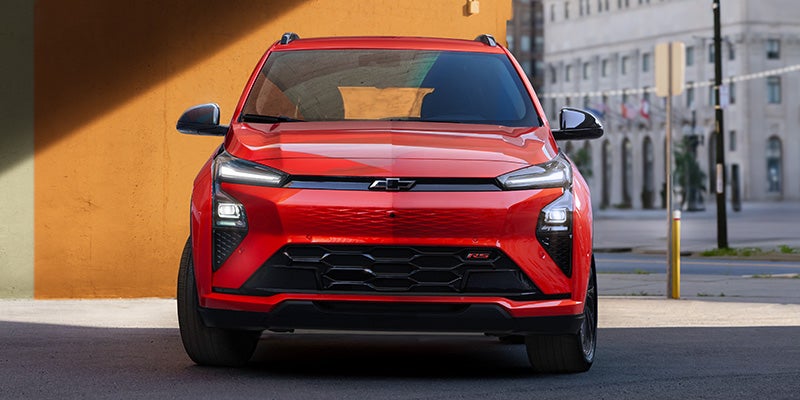
Red Chevrolet SUV front view in city setting

2027 Chevy Bolt Returns: What Drivers Should Know About Chevrolet's Electric Future

The Chevrolet Bolt is back for 2027, and its return is more significant than simply reviving a familiar name. Chevrolet has kept the compact hatchback format but changed many of the things that determine how easy an EV is to live with. Range rises to an EPA-estimated 262 miles, DC fast charging becomes dramatically quicker, and a native NACS charging port opens access to compatible NACS public chargers. For drivers around Akron, OH, the new Bolt looks designed to remove some of the compromises associated with its predecessor. A New Battery Brings 262 Miles of Range The 2027 Bolt uses a single permanent-magnet electric motor producing 210 hp and 169 lbs. ft. of torque, driving the front wheels through a single-speed gearset. More significant for most EV shoppers is the new 65-kWh lithium-iron-phosphate battery, which provides 262 miles of EPA-estimated range on a full charge. A heat pump handles active cabin and battery heating and cooling, an important consideration in Ohio, where cold winter temperatures can affect EV efficiency. Chevrolet covers the battery for 8 years or 100,000 miles, adding some reassurance for drivers making their first move into an electric vehicle. Faster Charging Is the Bigger Story Range tends to attract the headlines, but charging speed can have just as much influence on everyday EV ownership. The 2027 Bolt supports DC fast charging at up to 150 kW, more than 2.5 times the rate of the previous Bolt EV. Chevrolet estimates a compatible DC fast charger can take the battery from 10% to 80% in approximately 25 minutes. Level 2 AC charging reaches up to 11.5 kW and can add approximately 40 miles of range per hour under appropriate conditions. The Bolt is also the first Chevrolet with a native NACS port, providing access to compatible NACS charging stations, including compatible Tesla Superchargers, without a CCS-to-NACS adapter. The Cabin Gets a Technology Reset The changes continue inside, where an 11.3-inch infotainment touchscreen is paired with an 11-inch Driver Information Center. Google built-in provides compatible navigation, apps, voice assistance, and connected services, while the redesigned cabin adds an open center console, extra passenger-side dashboard storage, USB-C ports, and available wireless phone charging. One Pedal Driving allows the Bolt to slow and stop primarily through accelerator input in many situations while regenerative braking returns energy to the battery. LT and RS models give shoppers 2 distinct choices, with RS adding 17-inch Black wheels, Gloss Black roof rails, Evotex seating with Red stitching, unique badging, and multi-color ambient lighting. It Can Even Send Power Back Home More than 20 safety and driver-assistance features are standard on the 2027 Bolt, including Intersection Collision Mitigation, Rear Automatic Braking, and Rear Cross Traffic Alert with Braking. Available Super Cruise® can provide hands-free driver assistance on compatible roads. The Bolt is also Vehicle-to-Home capable when paired with compatible GM Energy equipment. During an outage, a properly equipped Bolt can supply electricity back to the home, turning the battery sitting in the driveway into something more than transportation. Where the New Bolt Fits into Chevrolet's EV Family The returning Bolt conquers the smaller end of Chevrolet's growing EV lineup, alongside larger choices such as Equinox EV, Blazer EV, and Silverado EV. Its compact dimensions remain well suited to commuting and urban driving, but the combination of 262 miles of EPA-estimated range and substantially quicker DC fast charging expands what owners can comfortably ask of it. Akron, OH, drivers can visit VanDevere Chevrolet to explore new Chevrolet EV inventory, compare Bolt LT and RS models, learn about EV charging options and GM Energy home charging, explore financing options, or schedule a test drive online now.
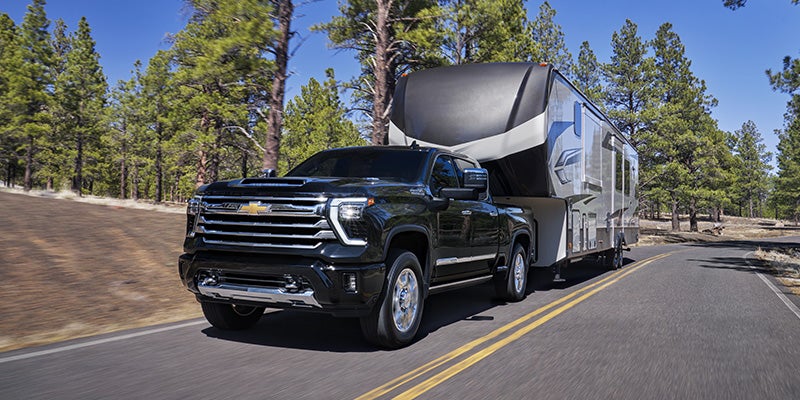
Black Chevrolet Silverado towing trailer on road

Chevrolet Towing Guide: Finding the Right Truck or SUV for Your Trailer Needs

Choosing a tow vehicle by looking for the biggest number in the brochure is tempting, but it isn't the best way to go about it. A fishing boat, travel trailer, equipment trailer, and large fifth-wheel place very different demands on a vehicle. Loaded trailer weight, passengers, cargo, hitch equipment, drivetrain, and vehicle configuration all enter the calculation. For drivers around Akron, OH, Chevrolet covers an unusually broad towing range, from the 5,000 lb. Traverse to a properly equipped Silverado 3500 HD capable of towing 36,000 lbs. Start With What You're Pulling Before choosing the truck or SUV, establish the trailer's loaded weight. That means accounting for equipment, water, supplies, luggage, and everything else that gets added after the trailer leaves the factory. Payload is equally important because passengers, cargo, accessories, and trailer tongue or pin weight all count against the vehicle's payload capacity. Maximum advertised towing figures apply to specific configurations, so engine choice alone doesn't determine capability. Cab, bed, drivetrain, axle, hitch, and other equipment can change the rating. Check the specifications for the exact Chevrolet before hitching up. Silverado 1500 Covers a Broad Towing Range The 2026 Silverado 1500 gives buyers 4 engines to work with. TurboMax™ produces 310 hp and 430 lbs. ft. of torque, the available 5.3L EcoTec3 V8 makes 355 hp and 383 lbs. ft. of torque, and the available 6.2L EcoTec3 V8 produces 420 hp and 460 lbs. ft. of torque. The available Duramax® 3.0L Turbo-Diesel delivers 305 hp and 495 lbs. ft. of torque and enables a maximum available towing capacity of 13,300 lbs when properly configured. Maximum available payload reaches 2,260 lbs. Available trailering technology includes up to 14 camera views, an in-vehicle Trailering App, and Trailer Side Blind Zone Alert, while the available Multi-Flex Tailgate offers 6 configurations. Silverado HD Takes Over for Serious Weight Once trailer weights move beyond light-duty territory, Silverado HD models become the natural place to look. The 2026 Silverado 2500 HD and 3500 HD offer a standard 6.6L gas V8 producing 401 hp and 464 lbs. ft. of torque or an available Duramax® 6.6L Turbo-Diesel V8 generating 470 hp and 975 lbs. ft. of torque. Both pair with an Allison® 10-speed automatic transmission. Maximum available towing reaches 19,080 lbs. with the gas engine, while a properly configured 2500 HD can tow up to 22,420 lbs. Move to the appropriate Silverado 3500 HD diesel configuration and that figure climbs to 36,000 lbs. Available camera views and trailering technology can also make hitching and managing a large trailer less of a guessing exercise. Don't Rule Out a Chevrolet SUV Not every towing job calls for a pickup. The 2026 Tahoe combines 3-row passenger space with up to 8,400 lbs. of available towing capacity when properly equipped. Tahoe and Suburban offer 5.3L V8, available 6.2L V8, and available Duramax® 3.0L Turbo-Diesel power, giving families the ability to combine substantial passenger capacity with recreational towing. For lighter trailers, the 2026 Traverse uses a 2.5L Turbocharged engine producing 328 hp and 326 lbs. ft. of torque and provides up to 5,000 lbs. of towing capacity with included trailering equipment. Hitch View, Hitch Guidance, and a Trailering App are also standard, which is a welcome collection of equipment if backing up to the hitch isn't your favorite weekend activity. Match the Chevrolet to the Trailer at VanDevere Chevrolet The right tow vehicle isn't automatically the one with the highest rating. Silverado 1500 provides up to 13,300 lbs. of towing capability for properly configured models, Silverado HD stretches as high as 36,000 lbs., Tahoe offers up to 8,400 lbs. in a 3-row SUV, and Traverse handles up to 5,000 lbs. Akron, OH, drivers can visit VanDevere Chevrolet to compare Chevrolet trucks and SUVs, explore Silverado configurations, review available trailering equipment, browse new Chevrolet inventory, or schedule a test drive online before deciding which vehicle fits the trailer they'll be pulling.

Chevrolet service advisor customer consultation

How to Prepare Your Chevrolet for Winter Driving Before the First Freeze

Winter can arrive quickly in Akron, OH, and the last thing you want is to be caught off guard when temperatures plummet. Knowing how to prepare your Chevrolet for winter driving before the first freeze is one of the best things you can do as a vehicle owner. A little attention now can save you from costly repairs and unsafe road conditions later. Check Your Tires Before Winter Arrives When it comes to Chevy winter maintenance, your tires are one of the most important places to start. Cold temperatures cause tire pressure to drop, which affects handling and stopping distance. Check your tire pressure regularly as the weather changes, and make sure your tread depth is adequate for wet and icy roads. If you live somewhere that sees significant snowfall, winter tires offer noticeably better grip than all-season options. Your Chevrolet's owner manual can guide you on the correct tire specifications for your specific model. Test Your Battery Before Cold Weather Hits A weak battery that holds up in summer can fail completely in freezing temperatures. Cold weather puts extra strain on your battery, making it work harder to start the engine. As you get your Chevy ready for winter driving, have your battery tested by a qualified technician before temperatures drop below freezing. If your battery is three years old or more, it may be worth considering a replacement ahead of the season. This simple step can prevent an unexpected no-start situation on a cold morning. Top Off and Swap Out Your Fluids Fluid maintenance is a key part of how to prepare your Chevrolet for winter driving safely. Make sure your antifreeze mixture is properly balanced to handle the low temperatures in your area. Check your windshield washer fluid and switch to a winter-grade formula that will not freeze in cold conditions. Oil viscosity is also important in winter. Depending on your model, a thinner oil grade may help your engine start more easily in cold weather. Your Chevrolet service center can advise on the right product for your vehicle and driving habits. Inspect Your Brakes for Winter Confidence Strong brake performance is important when roads are slippery. If you've noticed any grinding, squealing, or your Chevy is taking longer to stop, those are signs your brakes need attention before winter sets in. As part of your Chevy winter maintenance routine, have a technician inspect your brake pads and rotors for wear. Anti-lock brakes work best when the pads and rotors are in good shape, so do not skip this step. Getting your brakes serviced ahead of the first freeze gives you added confidence on icy roads. Improve Visibility With Fresh Wiper Blades and Lights Good visibility is essential for safe winter driving. Replace your wiper blades before winter arrives, and consider switching to heavy-duty winter blades that handle snow and ice more effectively. Make sure all exterior lights, including headlights, taillights, and turn signals - are functioning properly. Shorter daylight hours and reduced visibility during snowstorms mean your lights will work harder this season. Keeping them in top condition is a simple step that makes a difference in preparing your Chevrolet for winter driving. Visit VanDevere Chevrolet for a Full Winter Checkup Getting all of these items checked at once is the most convenient way to prepare your Chevy for winter. A certified technician can inspect your tires, battery, fluids, brakes, and visibility components during a single visit, giving you peace of mind before the cold weather settles in for good. So, if you drive a Silverado, Equinox, Trailblazer, or any other model in the Chevrolet lineup, now is the perfect time to schedule a Chevrolet service appointment. Don’t wait for the first freeze to find out something needs attention. Drivers in Akron, OH canstop by VanDevere Chevrolet to book a seasonal service appointment today.

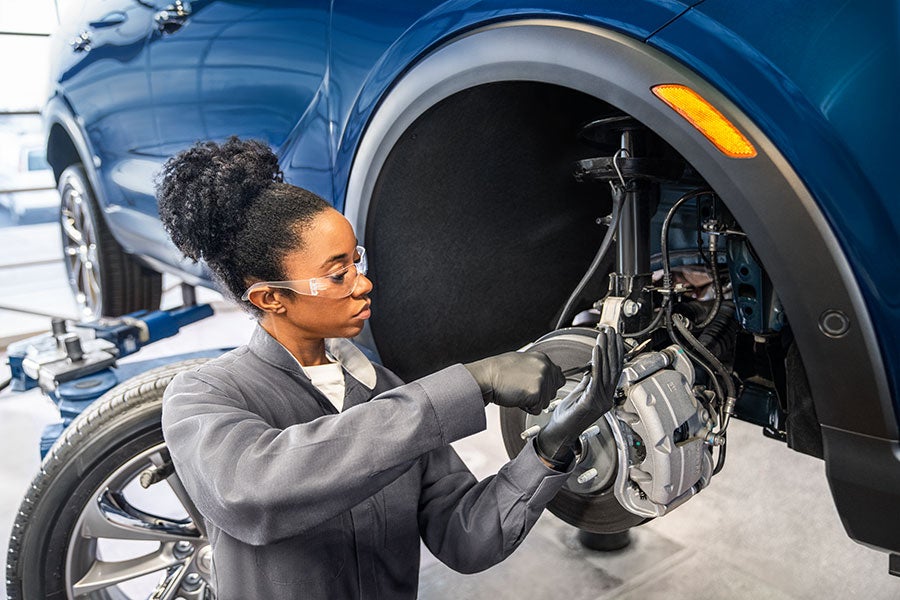
Vehicle brake inspection service technician

When Should You Service Your Chevrolet? A Maintenance Guide for Long-Term Ownership

Owning a Chevrolet means you’re driving a vehicle that’s designed to last for years, and keeping up with routine maintenance is one of the best ways to protect it. If you drive a Silverado, Equinox, or Trax in Akron, Ohio, knowing when to service your Chevrolet can save you from costly repairs down the road. This guide breaks down the key services to stay on top of throughout the life of your vehicle. Oil Changes: The Foundation of Your Chevrolet Maintenance Schedule An oil change is the item on your maintenance schedule that you have to do most frequently, and regular oil changes are also one of the most important items on the list. Most Chevrolet vehicles use an Oil Life Monitoring system, which tracks driving conditions and alerts you when it's time for a change. In general, full-synthetic oil can last up to 7,500 miles or more depending on your driving habits, but you should never ignore the reminder when it appears on your dashboard. Frequent short trips, towing, and stop-and-go driving can shorten the interval. If you're unsure where you stand, a quick visit to a Chevy service center can clear things up fast. Tire Rotations and Inspections Tires wear unevenly depending on whether your vehicle is front-wheel, rear-wheel, or all-wheel drive. Rotating your tires every 5,000 to 7,500 miles helps distribute wear more evenly, extending their usable life. Your service technician will also check tire pressure and tread depth during this visit. You should also schedule a full tire inspection if you notice vibration, pulling to one side, or uneven wear patterns. Addressing these issues early keeps your Chevy driving safely and smoothly. Brake Service: Don't Wait for the Squeal Brakes are one of the most safety-critical systems on your vehicle. A general rule of thumb is to have brake pads inspected every 12,000 miles, though actual wear depends heavily on driving style and terrain. Most brake pads give you an audible warning - a high-pitched squeal - when they're getting low. Brake fluid should also be checked periodically. Over time, it absorbs moisture, which can reduce braking performance. Your Chevy service center can flush and replace fluid as part of a complete brake service. Battery Testing and Replacement A weak battery can leave you stranded without much warning. Most automotive batteries last between three and five years, though extreme heat and cold can shorten battery life. It's a good idea to have your battery tested once it reaches the three-year mark. Signs of a failing battery include slow engine cranking, dimming lights, or a battery warning light on your instrument panel. Catching this early is far easier than dealing with a no-start situation. Multi-Point Inspections and Fluid Checks Beyond the major services, your Chevrolet benefits from regular multi-point inspections that cover everything from air filters and belts to coolant and transmission fluid. These inspections give technicians a chance to spot developing issues before they become serious problems. Following your Chevrolet maintenance schedule and staying current on fluid checks is one of the simplest ways to keep your vehicle running like new. Drivers throughout the region can rely on consistent, professional service to keep every system in check. Visit VanDevere Chevrolet for Expert Chevy Service So, if you're due for a Chevy oil change or a full multi-point inspection, the team at VanDevere Chevrolet is here to help. Visit us at VanDevere Chevrolet today to schedule your next service appointment.

Chevrolet mobile app vehicle controls view

Chevrolet Connected Services Explained: What Can the MyChevrolet App Do?

If you've ever wished you could check your vehicle from the comfort of your living room or wherever you are in Akron, Ohio, the MyChevrolet app could be exactly what you're looking for. Here are the Chevrolet connected services explained simply: this app turns your smartphone into a remote command center for your vehicle, giving you more control wherever you are. What Is the MyChevrolet App? The MyChevrolet app is a free app available for both iOS and Android devices. It connects directly to your eligible Chevrolet vehicle through OnStar technology, allowing you to monitor and manage your car from virtually anywhere. Remote Access and Vehicle Commands One of the most popular features of the MyChevrolet app is the ability to remotely lock or unlock your doors, start your engine, and even activate your horn and lights to find your vehicle in a crowded parking lot. You can warm up your car on a cold morning or cool it down before getting in on a hot afternoon. Vehicle Health and Diagnostics The app also gives you access to important vehicle health information, including diagnostic alerts, oil life status, and tire pressure readings. If your vehicle detects an issue, you'll receive a notification directly through the app, so you're never caught off guard by an unexpected warning light. This kind of visibility helps you stay on top of maintenance before small concerns become bigger problems. Navigation and Trip Planning The MyChevrolet app also supports in-vehicle navigation on compatible models. You can search for destinations on your phone and then send them directly to your vehicle's navigation system. This helps streamline your travel experience and keeps your focus on the road once you're driving. Additional MyChevrolet App Features Additionally, the app allows you to schedule Chevrolet Certified Service appointments, view your GM Rewards points balance, and access your vehicle's owner's manual digitally. Visit VanDevere Chevrolet to Learn More Chevrolet's connected services are best experienced firsthand. So, if you already own a Chevy or you're considering buying or leasing a new one, the team at VanDevere Chevrolet is here to help you get the most out of your vehicle's technology. Stop by to explore the current Chevrolet lineup and discover how connected services can work for you.

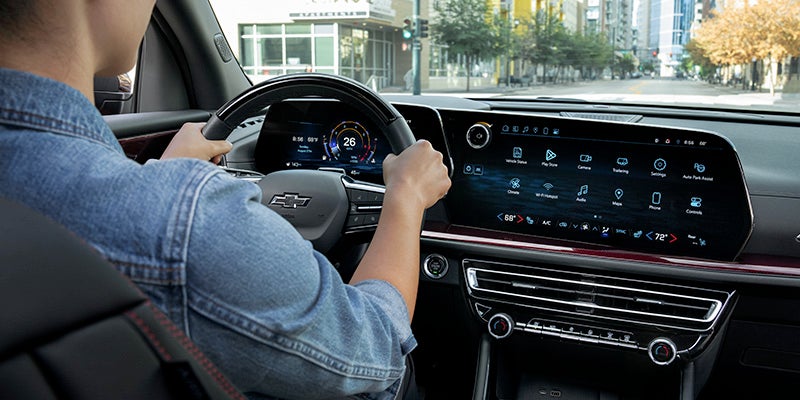
Chevrolet SUV interior infotainment display view

What Is Chevy Teen Driver Technology and How Does It Help New Drivers?

Handing over the keys to a new driver is a milestone moment - and a nerve-wracking one for most parents. If you're looking at vehicles with built-in safety features for your teen in Akron, Ohio, Chevy Teen Driver Technology is one of the best tools available on the market today. It gives parents oversight while helping young drivers build better habits behind the wheel. What Chevy Teen Driver Technology Does Chevy Teen Driver Technology is a system built directly into compatible Chevrolet vehicles that lets parents set parameters for how the vehicle is operated. Once activated through a PIN-protected menu, it can do things like mute the audio until front-seat occupants buckle up, limit the vehicle's top speed, and trigger audible alerts when certain thresholds are reached. Parents can also set a maximum volume level for the audio system to limit distractions. The In-Vehicle Report Card Feature The Report Card feature allows parents to review data that shows how the vehicle was operated, including if any safety alerts were triggered, if the driver went over the allowed top speed, and how far the vehicle traveled. It gives parents a clear picture of their teen's driving behavior without having to rely solely on conversation. This can be a starting point for honest conversations about safe driving. It keeps the focus on the data rather than assumptions, which tends to go over better with teenagers. Which Chevy Models Include This Feature Several current Chevrolet models are compatible with Chevy Teen Driver Technology, including popular options like the Equinox, Blazer, Traverse, Tahoe, Suburban, Silverado, and Colorado. That range means families have flexibility when it comes to size, budget, and style. Whether you're looking for a compact SUV or a full-size truck, there's likely a Chevy that fits both your family's needs and includes this helpful safety system. How It Helps New Drivers Build Better Habits Beyond the oversight it gives parents, Chevy Teen Driver Technology also works as a gentle coaching tool for the teen themselves. When the system sounds an alert - for speeding, for example - it creates an immediate feedback loop. Over time, that kind of consistent feedback can help reinforce good habits that stick. New drivers often don't realize how quickly small distractions or speed can add up to risky situations. Having the vehicle itself respond in real time makes the consequences more real than any lecture. Visit VanDevere Chevrolet to Learn More If you're a parent weighing your options for a safe first vehicle, you should check out ones equipped with Chevy Teen Driver Technology. It pairs parental oversight with features that encourage responsible driving - all without turning the car into a surveillance device. Stop by VanDevere Chevrolet to explore the Chevy lineup and find the right fit for your family.

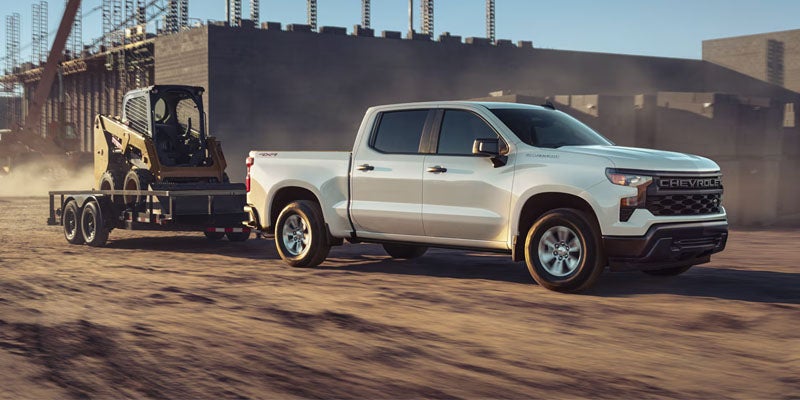
Chevrolet Silverado towing trailer equipment

Chevrolet All-Wheel Drive vs. 4WD: Which System Is Right for Your Driving Needs? 

When shopping for a new Chevy truck or SUV, you'll often be asked to choose all-wheel drive (AWD) and 4-wheel driver (4WD), but what’s the difference? Understanding the difference between AWD and 4WD will help you make a smarter buying decision, whether you're navigating snowy Ohio winters or heading off the beaten path. Both systems improve traction, but they work differently and serve different purposes. Let's break it down in plain language so you can figure out which one makes the most sense for how you actually drive. What Is All-Wheel Drive on a Chevrolet? Chevrolet AWD is a system that automatically sends power to all 4 wheels when the vehicle detects a loss of traction. You don't have to do anything—the system manages it for you on the spot.  All-wheel drive is an option for several Chevy SUVs, including the family-friendly Equinox, the rugged Blazer, the Traverse with its Best-in-Class 98 cu. ft. of cargo space, and the full-size family haulers, the Tahoe and Suburban. It's designed for everyday driving in light snow, rain, and slippery road conditions. Because it operates continuously without driver input, it's a great fit for people who want added all-weather confidence without thinking about it. What Is 4-Wheel Drive on a Chevrolet? 4WD—sometimes referred to as 4x4—is a more robust system, typically found on Chevy trucks and truck-based SUVs like the Silverado, Colorado, and Tahoe. Unlike AWD, traditional 4WD systems require the driver to engage the system manually with a lever, button, or rotary dial. This gives off-road enthusiasts specifically more control on rocky and other challenging terrains.  Most current Chevy models use a system called Autotrac®, which allows drivers to select from modes like 2-High which is mostly rear-wheel drive, Auto for everyday use, 4-High which engages in slippery conditions, and 4-Low modes depending on conditions. The 4-Low setting is particularly useful for demanding off-road terrain, steep inclines, or heavy towing situations where you need maximum torque at low speeds. Key Differences Between AWD and 4WD The main distinction comes down to use case. Chevrolet AWD vs. 4WD isn't really a competition—they're built for different scenarios. AWD is ideal if you mostly drive on paved roads in all seasons and want seamless traction management. It adds minimal driver effort and pairs well with commuter-friendly SUVs. On the other hand, 4WD shines when you're towing heavy loads, driving on unpaved trails, or dealing with deep snow and mud where you need the driver to control how power is distributed. It's also worth noting that AWD typically doesn't have a low-range gear, which limits it in the most demanding off-road scenarios. If serious capability is a priority, 4WD gives you that extra layer of control. Which Chevy Models Offer AWD or 4WD? Chevy offers both systems across its lineup, so there's likely a vehicle that matches your needs. Models like the Equinox, Blazer, and Traverse offer available AWD for drivers who want everyday capability. The Tahoe and Suburban offer both AWD and 4WD options depending on the configuration. For truck buyers, the Silverado 1500, Silverado HD, and Colorado are available with 4WD and offer multiple drive modes suited for work and off-road use. If you're comparing Chevrolet AWD vs. 4WD specifically for towing or trail use, a Silverado or Colorado with 4WD is worth a closer look. Finding the Right Setup for Akron, OH Drivers For drivers in Akron, Ohio, seasonal weather plays a real role in choosing between these systems. Wet springs, icy winters, and occasional snowy roads make AWD a practical choice for most daily drivers. But if you use your vehicle for hauling, towing, or weekend adventures off-road, 4WD gives you the added muscle to handle tougher conditions. The good news is that Chevy's current lineup covers both needs well, with a range of SUVs and trucks that deliver dependable traction no matter what the season brings. Our team at VanDevere Chevrolet is equipped to show you through all your options for your daily life in Akron, Ohio, from your snowy commutes to your trailblazing explorations.

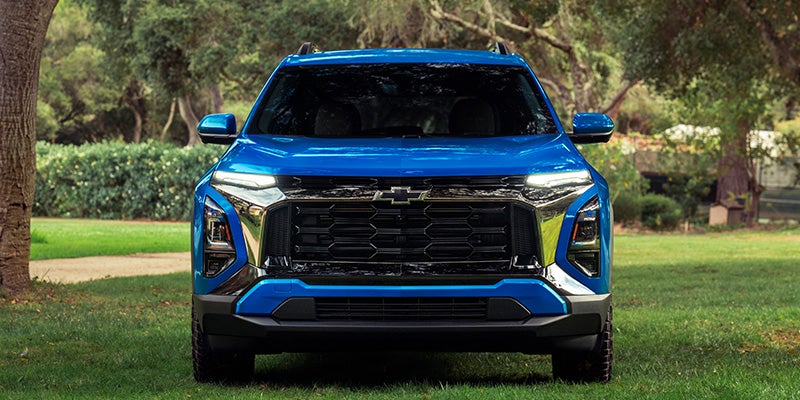
Chevrolet SUV front grille exterior view

2027 Chevrolet Equinox: A Smarter, More Refined Compact SUV for Modern Drivers

The 2027 Chevrolet Equinox arrives as one of the most well-rounded options in the compact SUV segment. With an updated design and a focus on everyday usability, it's built for drivers who want style, comfort, and practicality without compromise. So, if you're driving through Akron, Ohio or heading out on weekend road trips, you should be checking out the 2027 Chevrolet Equinox. A Fresh Look That Turns Heads The 2027 Equinox has sharp body lines, a refined front fascia, and a more streamlined roofline, giving it a contemporary look. The updated design contributes to a more aerodynamic profile that feels right at home on everything from city streets to open highways. The 2027 Equinox is powered by a 1.5L turbo engine with 175 hp and 203 lb-ft of torque, which can tow up to 1,500 lbs when properly equipped. Front wheel drive comes standard, and all-wheel drive is available. A Cabin Built for Comfort and Convenience The 2027 Chevrolet Equinox has a well-organized interior that puts everything within reach. The cabin prioritizes passenger comfort with supportive seating and a well-spaced layout that works well for both daily commuters and longer drives where you need to bring gear, offering up to 63.5 cu.ft. of cargo space. It features a driver-focused layout with an 11.3-in intuitive touchscreen, updated materials, heated front seats and steering wheel, and available Evotex and sueded microfiber seating surfaces. There is plenty of room for 5 passengers, making it a good choice for families and daily commuters. Technology That Keeps You Connected The 2027 Chevrolet Equinox carries over Chevy's commitment to keeping drivers informed and entertained on the go. Available features include wireless smartphone compatibility, a built-in Wi-Fi hotspot, wireless Apple CarPlay® and Android Auto™ capability, and a suite of driver assistance technologies designed to add confidence behind the wheel. A new addition for the 2027 model year is an available interior camera, which enables cabin glance as well as security recordings of the interior of your Equinox. Versatility for Everyday Life The 2027 Chevrolet Equinox is designed to adapt to the demands of daily life. Cargo space is generous for the segment, making it easy to pack for weekend getaways or handle everyday errands with ease. The available all-wheel drive system provides added traction when road conditions get unpredictable. It's the kind of versatile, capable SUV that fits naturally into a busy lifestyle without asking you to compromise on comfort or capability. The 2027 Chevrolet Equinox brings together updated style, practical technology, and everyday versatility in a package that makes a strong case for itself. It truly stands out as a smarter, more refined compact SUV for modern drivers who expect more from their vehicle. If you're ready to experience it for yourself, visit VanDevere Chevrolet and explore the 2027 Chevrolet Equinox lineup.

Chevrolet Silverado front view

Summer Heat & Your Vehicle: Why Hot Weather Causes More Breakdowns Than You Think

Most drivers think winter is the hardest season on a vehicle, but summer heat and your vehicle can be an equally challenging combination. It’s not a real surprise to Akron, Ohio drivers that extreme temperatures put serious strain on critical systems, and you may know that breakdowns tend to spike during the hottest months of the year. Understanding why that happens, and what you can do about it. can save you a lot of frustration, money, and safety concerns. How Summer Heat Stresses Your Battery Summer heat and your vehicle's battery are not a good pairing. Heat actually accelerates the chemical reactions inside a battery, which causes faster wear and shortens its overall lifespan. A battery that seems fine in cooler weather can fail quickly once temperatures climb. If your battery is more than 3 years old, it's worth having it tested before the hottest stretch of the season hits. Many Akron drivers are surprised to learn that heat, not Ohio’s brutal cold weather, is often what finally pushes an aging battery over the edge. Your Cooling System Works Overtime in Summer The cooling system is one of the most stressed components during hot weather. It's responsible for keeping your engine within a safe operating temperature range, and when outside temps are high, it has to work that much harder to do its job. Low coolant levels, a worn hose, or a failing thermostat can all lead to overheating. Summer heat and your vehicle's cooling system require close attention this time of year. Check coolant levels regularly and look for any signs of leaks before they become bigger problems. Tires and Fluids Feel the Heat, Too Hot pavement combined with underinflated tires significantly increases the risk of a blowout. Heat causes the air inside your tires to expand, and if the pressure was already low, you're heading toward trouble. Check your tire pressure at least once a month during summer, and always when the tires are cool for the most accurate reading. Other fluids also degrade faster in the heat. Engine oil, transmission fluid, and brake fluid all work harder when temperatures are elevated. Keeping up with your regular fluid checks is one of the simplest ways to avoid a breakdown. Preparing Your Chevy for the Heat The good news is that most summer-related breakdowns are preventable with some basic maintenance. A quick inspection of your battery, cooling system, tires, and fluid levels goes a long way toward keeping your Chevy running smoothly all season. Chevrolet's certified service program is designed to help with exactly this kind of maintenance. Whether you drive a Silverado, an Equinox, a Trax, or any other model in the Chevy lineup, keeping up with seasonal service can help you avoid the inconvenience of an unexpected breakdown. Visit VanDevere Chevrolet Before the Season Gets Too Hot A little preparation now can prevent a much bigger headache later, especially during the peak heat of summer when repair shops tend to get busiest. If you live or work in the Akron, Ohio area and you're not sure whether your vehicle is ready for the season, bring it in to us at VanDevere Chevrolet for a checkup. Our team is here to help keep you safe and your Chevy running at its best, no matter how hot it gets outside.

Chevrolet service advisor assisting customer

AI vs. Reality Service: Can You Trust Online Answers for Chevrolet Warning Lights?

When a warning light appears on your Chevrolet dashboard, the first instinct for many drivers is to reach for their phone and search for answers. AI-powered tools and chatbots have made it easier than ever to get a quick response, but that information may not always reflect what is happening with your specific vehicle. Understanding the difference between AI guidance and professional service in Akron, Ohio, is an important step in protecting your Chevy, yourself, and your passengers. When you need a more accurate diagnosis, the service center at VanDevere Chevrolet is here to provide expert support and help identify the right solution for your vehicle. What AI Gets Right and Wrong About Warning Lights AI tools can provide general descriptions of common dashboard symbols, and in some cases, that information is accurate. A low tire pressure indicator or a reminder to check your oil is relatively straightforward. However, when it comes to identification of deeper issues and actual service, the real issue is context. AI cannot physically inspect your vehicle. It doesn’t know your mileage, your service history, or whether a previous repair may be contributing to the current issue. Chevrolet vehicles are equipped with complex systems that require hands-on diagnostics—not just a text-based guess. Why Chevrolet Warning Lights Deserve More Than a Google Answer Modern Chevy models rely on advanced onboard systems that monitor everything from engine performance to transmission health and safety features. A Check Engine light alone can represent hundreds of possible fault codes. Without a professional-grade scan tool and a trained technician reviewing the results, any answer you receive is, at best, a starting point. Relying solely on AI-generated advice could mean delaying a repair that gets more costly the longer it goes unaddressed. What looks like a minor issue online can mask a more serious mechanical condition that only a certified service professional can properly evaluate. The Real Risk of Waiting Based on AI vs. Reality Service Advice One of the most common pitfalls in the AI vs. Reality conversation about service is the temptation to wait. An AI tool might suggest a warning light doesn’t indicate an urgent matter, but there’s no substitute for an actual vehicle inspection. Ignoring a warning, even temporarily, can lead to accelerated wear, component failure, or safety concerns on the road. Chevrolet's service teams use manufacturer-approved diagnostic equipment designed specifically for Chevy vehicles. This matters because proprietary systems communicate fault information in ways that general AI tools simply cannot interpret with full accuracy. The difference between a cleared code and a resolved repair is significant. When to Skip the Search Bar and Visit a Service Center If a warning light comes on and stays on, or if you notice any change in your vehicle's performance, noise, or handling, the time has come—bring your Chevy in for a professional evaluation. This is true whether you drive a Silverado, Equinox, Traverse, or any other model in the lineup. Scheduling a service appointment gives a trained technician the opportunity to run a full diagnostic check, review your vehicle's data, and recommend the right course of action. That kind of clarity is something no AI tool can replicate. Visit Us for Honest Chevrolet Service You Can Count On The AI vs. Reality Service debate ultimately comes down to trust and accuracy. While digital tools have their place in everyday life, your Chevrolet's warning lights are communicating something real, and they deserve a real response. Drivers in Akron, Ohio can count on certified Chevrolet service technicians at VanDevere Chevrolet, who are trained to handle exactly these situations with the right tools and the right expertise. Stop guessing and get a genuine answer from the professionals who know your vehicle best.

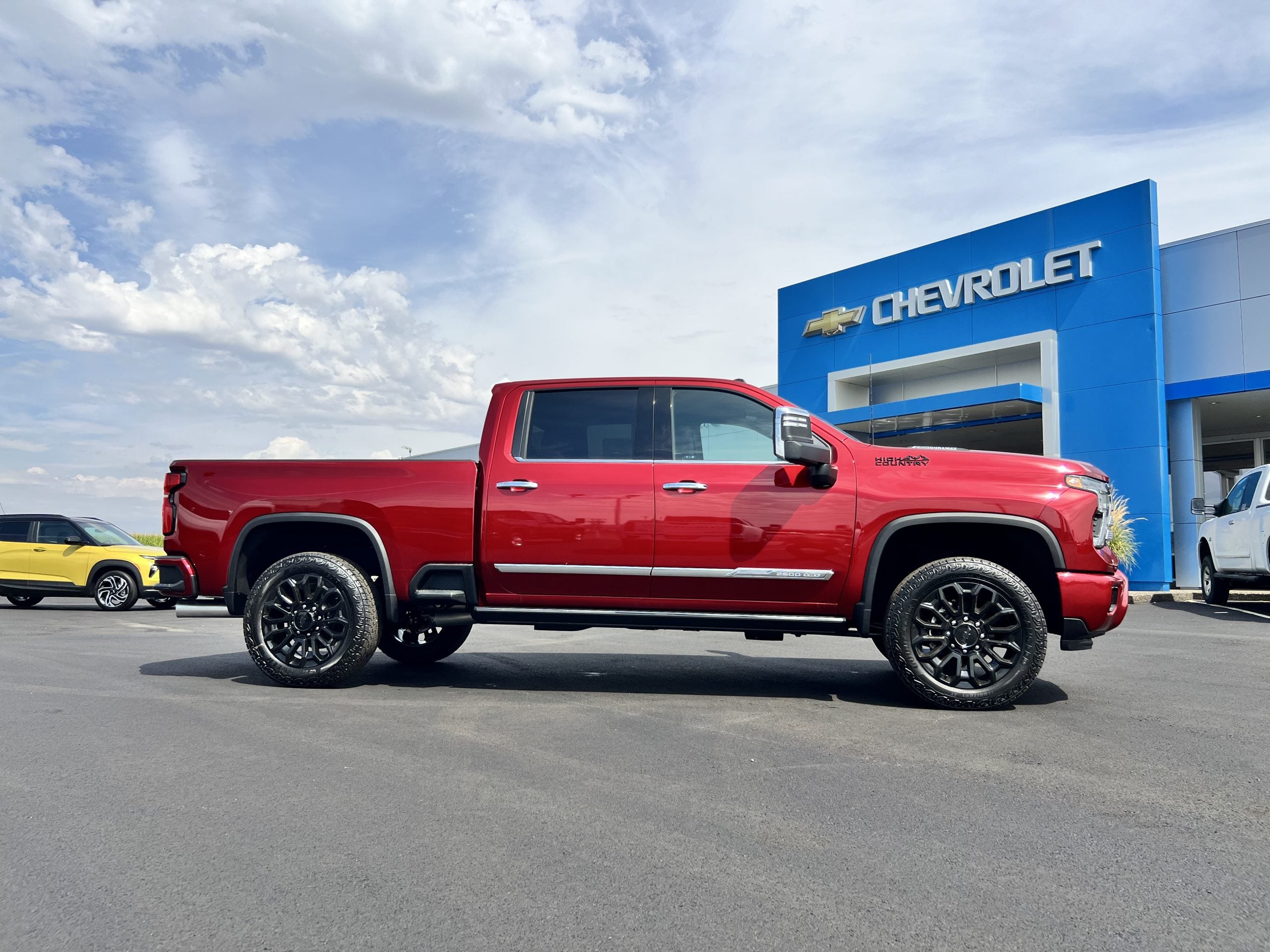
Red Chevrolet Silverado 2500 outside dealership building

Chevrolet Buying vs. Leasing: Which Option Fits Your Budget and Driving Needs?

Choosing between buying and leasing a Chevrolet in Akron, Ohio, is one of the most important decisions you'll make during the car-shopping process. Both options have real advantages depending on how you drive, how much you want to spend each month, and what matters most to you in a vehicle. Understanding the basics of Chevrolet buying vs. leasing can help you walk into the process feeling confident rather than confused. Understanding the Basics of Buying a Chevrolet When you buy a Chevrolet, you're working toward full ownership of the vehicle. You'll either pay in full up-front or finance the purchase through a lender, making monthly payments over a set term. Once the loan is paid off, the vehicle is yours with no further obligation. Buying is a strong option if you plan to keep your vehicle for several years or want to drive without mileage restrictions. Whether you're considering a capable 2026 Silverado or a versatile 2026 Equinox, owning your Chevy long-term can offer solid value over time. One key benefit of buying is the flexibility to customize your vehicle and drive as many miles as you need. There are no fees for exceeding a set mileage limit, which makes ownership appealing for drivers with longer commutes or active lifestyles. Understanding the Basics of Leasing a Chevrolet Leasing works differently. Instead of buying the vehicle outright, you're essentially paying for the use of it over a set period, typically 2 to 3 years. At the end of the lease term, you return the vehicle and that’s where your choices get interesting. You can either lease something new, purchase the leased vehicle, or walk away. For drivers in Akron, Ohio, who enjoy having the latest features and technology, leasing can be an attractive choice. It often means lower monthly payments compared to financing and allows you to upgrade to a newer model more frequently. Chevrolet currently offers competitive lease options, including deals on the 2026 Equinox LT front-wheel drive and the 2026 Colorado Custom Crew Cab 2WD, making it easier to get into a newer model without a large upfront commitment. Comparing Costs: Buying vs. Leasing The decision around Chevrolet buying vs. leasing often comes down to the monthly numbers. Lease payments are generally lower than loan payments for the same vehicle because you're only financing the depreciation during the lease period, not the full purchase price. However, when a loan is paid off, your monthly vehicle expense drops to zero—while a lease means you'll always have a payment if you continue leasing. If building long-term equity matters to you, buying typically comes out ahead over time. It's also worth noting that buying avoids potential end-of-lease fees, such as charges for excess mileage or excess wear. Which Option Makes More Sense for Your Lifestyle? There's no universal right answer when it comes to Chevrolet buying vs. leasing—it depends on your priorities. If you drive a lot of miles annually, want to customize your vehicle, or prefer the financial benefit of ownership, buying is likely the better fit. If you prefer lower monthly costs, like driving newer vehicles with updated technology, and don't exceed 10,000 to 15,000 miles per year, leasing may suit you well. Visit VanDevere Chevrolet to Explore Your Options Whether you are leaning toward buying or leasing, the team at VanDevere Chevrolet is ready to help you find the right path. Serving drivers throughout Akron, Ohio, our team can walk you through current Chevrolet purchase and lease options while helping you find a vehicle that fits your needs, preferences, and budget. Visit us today to explore the lineup and get started on your next Chevrolet.

Vehicle technician inspecting SUV under hood indoors

Chevy Reduced Engine Power Warning: What It Means and What to Do

Ah, the dreaded warning light. When one appears while you are driving around Akron, Ohio, it can instantly make you catch your breath. The Chevy Reduced Engine Power warning is one of the most common troubleshooting concerns Chevrolet owners search for online, and for good reason. When this message appears on your dashboard, it can be alarming, but understanding what it means can help you stay calm and take the right steps. If the warning continues or you need help identifying the cause, the service center at VanDevere Chevrolet is available to provide expert diagnostics and support to get your vehicle back to performing properly. What the Chevy Reduced Engine Power Warning Is Telling You When the Chevy Reduced Engine Power warning lights up, it’s not a random glitch. Your vehicle has intentionally limited its performance to protect the engine and drivetrain. This is a built-in safety response triggered by your vehicle's electronic control system when it detects a problem it cannot safely ignore. Your car may feel sluggish, struggle to accelerate, or feel unresponsive compared to normal. That is by design. The system is doing its job. Common Reasons the Warning Appears The Chevy Reduced Engine Power warning can be triggered by several different issues. Some of the most common causes include a faulty throttle body, a problem with the electronic throttle control system, issues with sensors like the mass airflow sensor or oxygen sensors, or a low battery voltage affecting the vehicle's electronics. In some cases, a loose or damaged wiring harness connection can trigger the warning as well. Because multiple components can be involved, it is important not to guess at the cause without a proper diagnostic scan. Can You Keep Driving? This is one of the most frequently asked questions when drivers in Akron, Ohio see the Chevy Reduced Engine Power warning appear. In most situations, you can drive carefully to a nearby service location, but it’s not advisable to continue driving normally or ignore the message for an extended period. Extended driving in this reduced mode can put additional strain on related components. The sooner you have it diagnosed, the better. What to Do When the Warning Appears If you see the Chevy Reduced Engine Power warning, try not to panic. Safely reduce your speed, turn on your hazard lights if needed, and make your way to a trusted service facility when it is safe to do so. A certified technician will connect a scan tool to your vehicle's OBD-II port to read the stored fault codes. Those codes point directly to the system or component causing the issue, which makes diagnosis much more accurate than guessing based on symptoms alone. Why a Professional Diagnosis Matters The Chevy Reduced Engine Power warning is a symptom of an underlying problem, not the problem itself. Attempting to clear the code without fixing the root cause will only result in the warning returning, often with additional complications. Chevrolet's Certified Service technicians are trained to diagnose and repair these issues correctly the first time, using genuine GM parts and the latest diagnostic tools. Visit Us for Your Chevy Service Needs If you are dealing with a Chevy Reduced Engine Power warning, it is important not to ignore it. Drivers throughout Akron, Ohio, can rely on the certified technicians at VanDevere Chevrolet to help diagnose these concerns with accuracy and care. Our service team is equipped to identify the cause of the warning and provide the support needed to help you get back on the road with confidence.

Contact Us

Fill out this form below and we'll contact you shortly
*Required Fields