



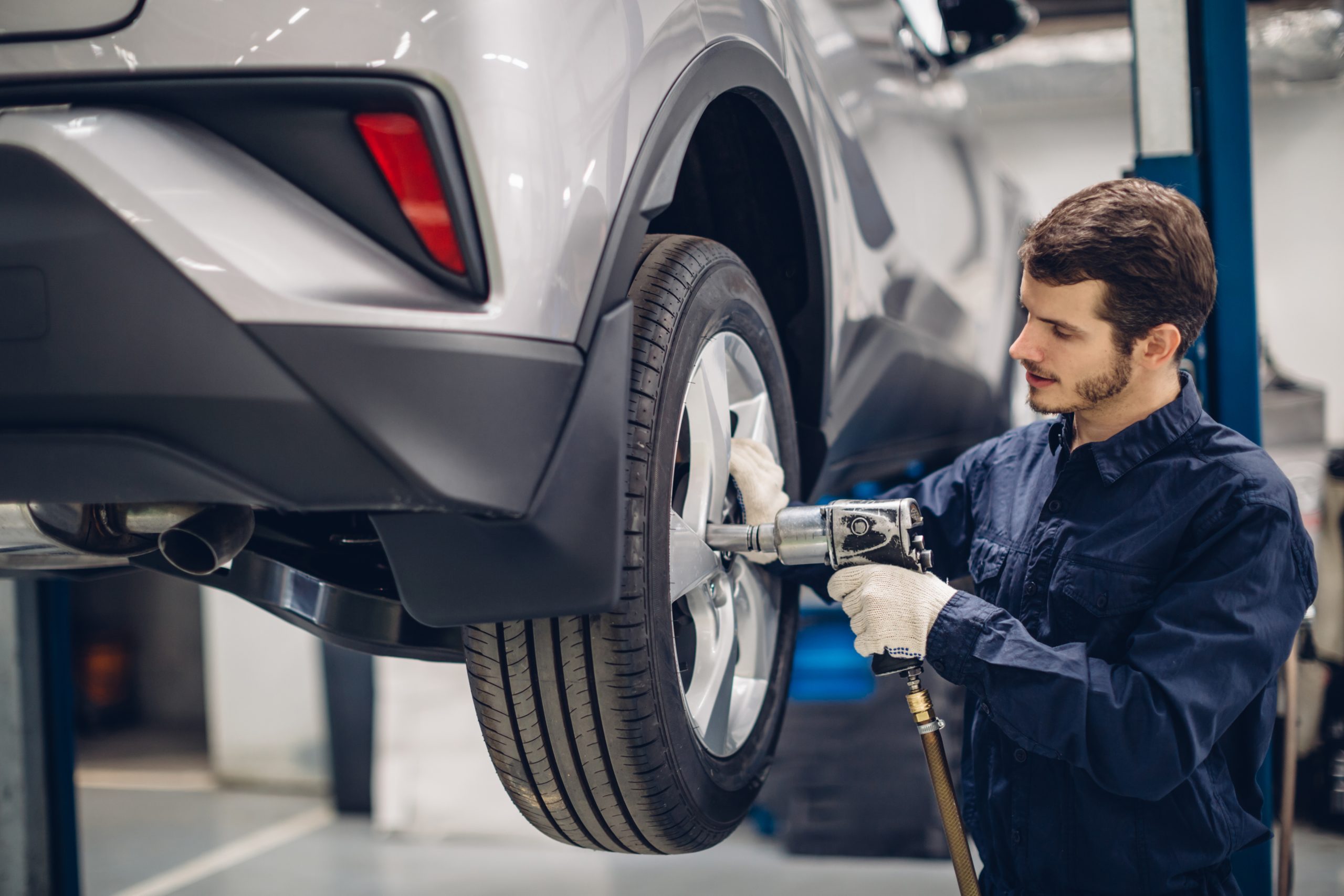
Tires have a habit of being ignored. As long as they’re holding air and the vehicle is moving in the direction you intended, most drivers don’t give them much thought. That’s understandable. Tires aren’t flashy. They don’t make noise when they’re healthy. They don’t show off. They just do their job. The problem is that they’re doing one of the most important jobs on your vehicle. Every time you accelerate, brake, turn, tow, or drive through bad weather, your tires are carrying the load. Taking a little time to understand tire safety can go a long way toward protecting both your vehicle and the people riding in it.
Why Tire Safety Matters
Your tires are the only part of your Chevrolet that touches the road. Everything else, from the engine to the suspension, depends on those four contact patches to do their job properly. If the tires aren’t in good condition, it doesn’t matter how advanced the technology is or how much capability your vehicle has. Worn tires can increase stopping distances. Improper tire pressure can affect handling and fuel economy. Damaged tires can lead to unexpected failures at the worst possible moment. That’s why regular inspections and maintenance matter.
Understanding Tire Ratings
Every tire comes with information molded directly into the sidewall. Among the most important are the treadwear, traction, and temperature ratings. These ratings help consumers compare tires and understand how they are designed to perform. Treadwear ratings provide a general indication of expected longevity. Traction grades help identify wet-road performance, while temperature ratings measure a tire’s ability to handle heat generated during driving. You don’t need to become a tire engineer to understand them. You just need to know that these ratings can help guide replacement decisions when the time comes.
The Tire Inspection Most Drivers Skip
One of the easiest maintenance tasks on any vehicle is also one of the most overlooked. A quick visual inspection can reveal a surprising amount. Look for uneven tread wear, cuts, punctures, bulges, or cracks in the sidewall. These can all be signs that a tire needs professional attention. Tread depth is equally important. As tread wears down, the tire loses its ability to move water away from the contact patch. That can reduce traction and increase stopping distances, especially during rain. Checking your tires takes only a few minutes, but those few minutes can help identify problems before they become expensive or dangerous.
Tire Pressure Still Matters
Modern vehicles include tire pressure monitoring systems, which is helpful. But a warning light shouldn’t be your first indication that something is wrong. Underinflated tires can wear prematurely, generate excess heat, and reduce fuel efficiency. Overinflated tires can affect ride quality and cause uneven wear. Maintaining proper pressure helps your tires last longer and perform the way they were designed to. The correct pressure specification can be found on the sticker inside the driver’s door opening. It’s a small detail that makes a big difference.
Choosing the Right Replacement Tires
Eventually, every tire reaches the end of its useful life. When replacement time arrives, choosing the correct tire is important. Chevrolet engineers design each vehicle around specific tire sizes, load ratings, and performance characteristics. A Silverado 1500 has different requirements than an Equinox, Traverse, or Tahoe. Using tires that meet the vehicle’s recommended specifications helps maintain handling, braking performance, ride quality, and overall safety. The right tire isn’t necessarily the most expensive one. It’s the one that’s designed for the job your vehicle needs it to do.
Keep Your Chevrolet Ready for the Road
Good tires don’t guarantee a safe drive, but worn or damaged tires can certainly increase the chances of a bad one. Drivers throughout Akron, OH can rely on the certified service team at VanDevere Chevrolet for tire inspections, rotations, balancing, alignments, and replacement recommendations. A little attention today can help prevent a much bigger problem tomorrow.
Connect with us


- Akron Chevrolet Dealer
- Akron Chevrolet Service
- Akron Community Outreach
- Akron Used Cars
- Chevrolet Blazer EV
- Chevrolet Colorado
- Chevrolet Equinox
- Chevrolet Equinox EV
- Chevrolet Malibu
- Chevrolet Silverado 1500
- Chevrolet Silverado 2500 HD
- Chevrolet Suburban
- Chevrolet Tahoe
- Chevrolet Trailblazer
- Chevrolet Traverse
- Lifestyle
- VanDevere Chevrolet Service