


VanDevere Chevrolet in Akron, OH
Blog / Akron Chevrolet Dealer

Tire Safety: What Every Chevrolet Driver Should Know

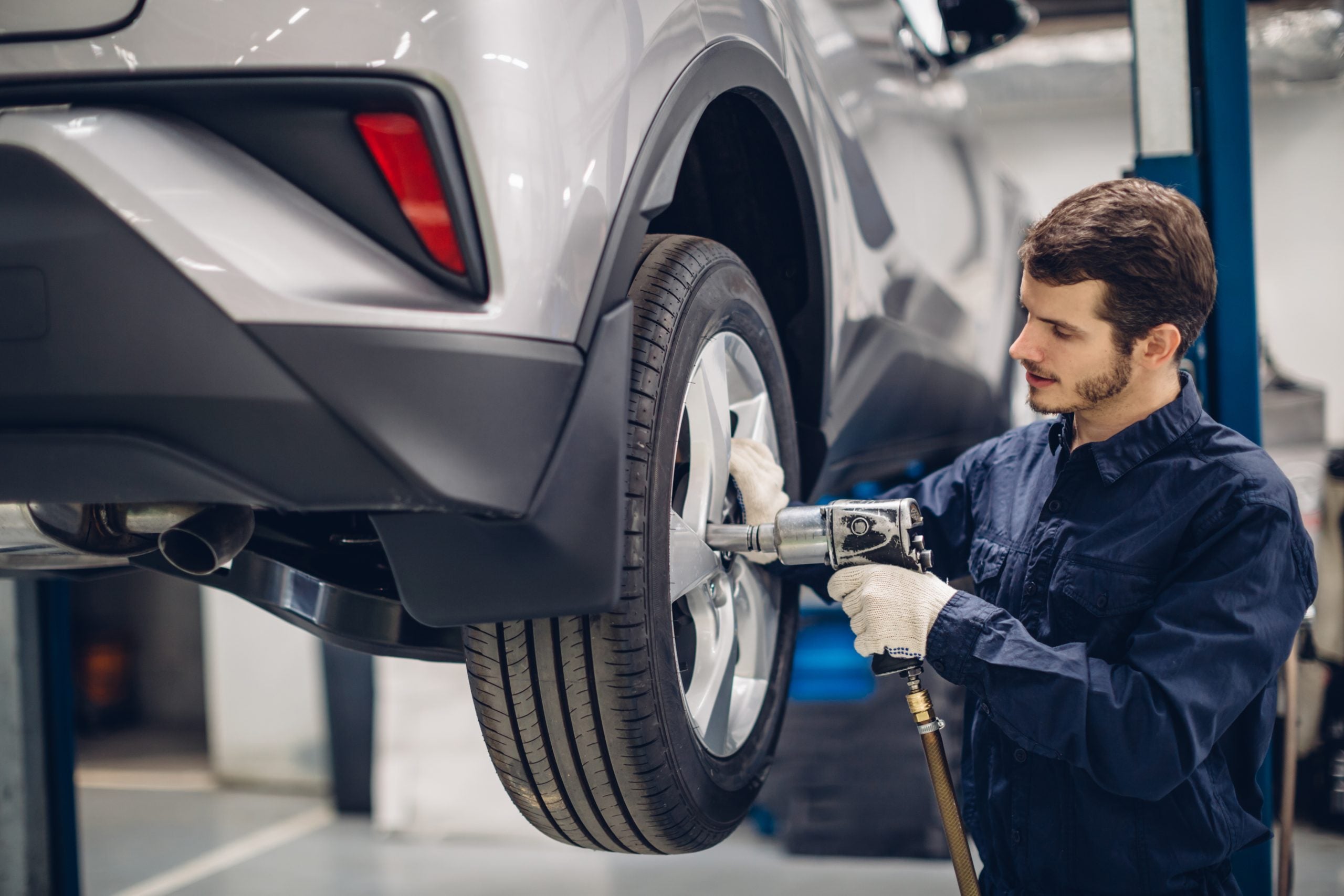
Car tire service technician tightening lug nuts

Tires have a habit of being ignored. As long as they're holding air and the vehicle is moving in the direction you intended, most drivers don't give them much thought. That's understandable. Tires aren't flashy. They don't make noise when they're healthy. They don't show off. They just do their job. The problem is that they're doing one of the most important jobs on your vehicle. Every time you accelerate, brake, turn, tow, or drive through bad weather, your tires are carrying the load. Taking a little time to understand tire safety can go a long way toward protecting both your vehicle and the people riding in it. 

Why Tire Safety Matters 

Your tires are the only part of your Chevrolet that touches the road. Everything else, from the engine to the suspension, depends on those four contact patches to do their job properly. If the tires aren't in good condition, it doesn't matter how advanced the technology is or how much capability your vehicle has. Worn tires can increase stopping distances. Improper tire pressure can affect handling and fuel economy. Damaged tires can lead to unexpected failures at the worst possible moment. That's why regular inspections and maintenance matter. 

Understanding Tire Ratings 

Every tire comes with information molded directly into the sidewall. Among the most important are the treadwear, traction, and temperature ratings. These ratings help consumers compare tires and understand how they are designed to perform. Treadwear ratings provide a general indication of expected longevity. Traction grades help identify wet-road performance, while temperature ratings measure a tire's ability to handle heat generated during driving. You don't need to become a tire engineer to understand them. You just need to know that these ratings can help guide replacement decisions when the time comes. 

The Tire Inspection Most Drivers Skip 

One of the easiest maintenance tasks on any vehicle is also one of the most overlooked. A quick visual inspection can reveal a surprising amount. Look for uneven tread wear, cuts, punctures, bulges, or cracks in the sidewall. These can all be signs that a tire needs professional attention. Tread depth is equally important. As tread wears down, the tire loses its ability to move water away from the contact patch. That can reduce traction and increase stopping distances, especially during rain. Checking your tires takes only a few minutes, but those few minutes can help identify problems before they become expensive or dangerous. 

Tire Pressure Still Matters 

Modern vehicles include tire pressure monitoring systems, which is helpful. But a warning light shouldn't be your first indication that something is wrong. Underinflated tires can wear prematurely, generate excess heat, and reduce fuel efficiency. Overinflated tires can affect ride quality and cause uneven wear. Maintaining proper pressure helps your tires last longer and perform the way they were designed to. The correct pressure specification can be found on the sticker inside the driver's door opening. It's a small detail that makes a big difference. 

Choosing the Right Replacement Tires 

Eventually, every tire reaches the end of its useful life. When replacement time arrives, choosing the correct tire is important. Chevrolet engineers design each vehicle around specific tire sizes, load ratings, and performance characteristics. A Silverado 1500 has different requirements than an Equinox, Traverse, or Tahoe. Using tires that meet the vehicle's recommended specifications helps maintain handling, braking performance, ride quality, and overall safety. The right tire isn't necessarily the most expensive one. It's the one that's designed for the job your vehicle needs it to do. 

Keep Your Chevrolet Ready for the Road 

Good tires don't guarantee a safe drive, but worn or damaged tires can certainly increase the chances of a bad one. Drivers throughout Akron, OH can rely on the certified service team at VanDevere Chevrolet for tire inspections, rotations, balancing, alignments, and replacement recommendations. A little attention today can help prevent a much bigger problem tomorrow. 
Posted in:

Related Posts

Chevrolet Silverado front view

Summer Heat & Your Vehicle: Why Hot Weather Causes More Breakdowns Than You Think

Most drivers think winter is the hardest season on a vehicle, but summer heat and your vehicle can be an equally challenging combination. It’s not a real surprise to Akron, Ohio drivers that extreme temperatures put serious strain on critical systems, and you may know that breakdowns tend to spike during the hottest months of the year. Understanding why that happens, and what you can do about it. can save you a lot of frustration, money, and safety concerns. more How Summer Heat Stresses Your Battery Summer heat and your vehicle's battery are not a good pairing. Heat actually accelerates the chemical reactions inside a battery, which causes faster wear and shortens its overall lifespan. A battery that seems fine in cooler weather can fail quickly once temperatures climb. If your battery is more than 3 years old, it's worth having it tested before the hottest stretch of the season hits. Many Akron drivers are surprised to learn that heat, not Ohio’s brutal cold weather, is often what finally pushes an aging battery over the edge. Your Cooling System Works Overtime in Summer The cooling system is one of the most stressed components during hot weather. It's responsible for keeping your engine within a safe operating temperature range, and when outside temps are high, it has to work that much harder to do its job. Low coolant levels, a worn hose, or a failing thermostat can all lead to overheating. Summer heat and your vehicle's cooling system require close attention this time of year. Check coolant levels regularly and look for any signs of leaks before they become bigger problems. Tires and Fluids Feel the Heat, Too Hot pavement combined with underinflated tires significantly increases the risk of a blowout. Heat causes the air inside your tires to expand, and if the pressure was already low, you're heading toward trouble. Check your tire pressure at least once a month during summer, and always when the tires are cool for the most accurate reading. Other fluids also degrade faster in the heat. Engine oil, transmission fluid, and brake fluid all work harder when temperatures are elevated. Keeping up with your regular fluid checks is one of the simplest ways to avoid a breakdown. Preparing Your Chevy for the Heat The good news is that most summer-related breakdowns are preventable with some basic maintenance. A quick inspection of your battery, cooling system, tires, and fluid levels goes a long way toward keeping your Chevy running smoothly all season. Chevrolet's certified service program is designed to help with exactly this kind of maintenance. Whether you drive a Silverado, an Equinox, a Trax, or any other model in the Chevy lineup, keeping up with seasonal service can help you avoid the inconvenience of an unexpected breakdown. Visit VanDevere Chevrolet Before the Season Gets Too Hot A little preparation now can prevent a much bigger headache later, especially during the peak heat of summer when repair shops tend to get busiest. If you live or work in the Akron, Ohio area and you're not sure whether your vehicle is ready for the season, bring it in to us at VanDevere Chevrolet for a checkup. Our team is here to help keep you safe and your Chevy running at its best, no matter how hot it gets outside.

Chevrolet service advisor assisting customer

AI vs. Reality Service: Can You Trust Online Answers for Chevrolet Warning Lights?

When a warning light appears on your Chevrolet dashboard, the first instinct for many drivers is to reach for their phone and search for answers. AI-powered tools and chatbots have made it easier than ever to get a quick response, but that information may not always reflect what is happening with your specific vehicle. Understanding the difference between AI guidance and professional service in Akron, Ohio, is an important step in protecting your Chevy, yourself, and your passengers. When you need a more accurate diagnosis, the service center at VanDevere Chevrolet is here to provide expert support and help identify the right solution for your vehicle. more What AI Gets Right and Wrong About Warning Lights AI tools can provide general descriptions of common dashboard symbols, and in some cases, that information is accurate. A low tire pressure indicator or a reminder to check your oil is relatively straightforward. However, when it comes to identification of deeper issues and actual service, the real issue is context. AI cannot physically inspect your vehicle. It doesn’t know your mileage, your service history, or whether a previous repair may be contributing to the current issue. Chevrolet vehicles are equipped with complex systems that require hands-on diagnostics—not just a text-based guess. Why Chevrolet Warning Lights Deserve More Than a Google Answer Modern Chevy models rely on advanced onboard systems that monitor everything from engine performance to transmission health and safety features. A Check Engine light alone can represent hundreds of possible fault codes. Without a professional-grade scan tool and a trained technician reviewing the results, any answer you receive is, at best, a starting point. Relying solely on AI-generated advice could mean delaying a repair that gets more costly the longer it goes unaddressed. What looks like a minor issue online can mask a more serious mechanical condition that only a certified service professional can properly evaluate. The Real Risk of Waiting Based on AI vs. Reality Service Advice One of the most common pitfalls in the AI vs. Reality conversation about service is the temptation to wait. An AI tool might suggest a warning light doesn’t indicate an urgent matter, but there’s no substitute for an actual vehicle inspection. Ignoring a warning, even temporarily, can lead to accelerated wear, component failure, or safety concerns on the road. Chevrolet's service teams use manufacturer-approved diagnostic equipment designed specifically for Chevy vehicles. This matters because proprietary systems communicate fault information in ways that general AI tools simply cannot interpret with full accuracy. The difference between a cleared code and a resolved repair is significant. When to Skip the Search Bar and Visit a Service Center If a warning light comes on and stays on, or if you notice any change in your vehicle's performance, noise, or handling, the time has come—bring your Chevy in for a professional evaluation. This is true whether you drive a Silverado, Equinox, Traverse, or any other model in the lineup. Scheduling a service appointment gives a trained technician the opportunity to run a full diagnostic check, review your vehicle's data, and recommend the right course of action. That kind of clarity is something no AI tool can replicate. Visit Us for Honest Chevrolet Service You Can Count On The AI vs. Reality Service debate ultimately comes down to trust and accuracy. While digital tools have their place in everyday life, your Chevrolet's warning lights are communicating something real, and they deserve a real response. Drivers in Akron, Ohio can count on certified Chevrolet service technicians at VanDevere Chevrolet, who are trained to handle exactly these situations with the right tools and the right expertise. Stop guessing and get a genuine answer from the professionals who know your vehicle best.

Red Chevrolet Silverado 2500 outside dealership building

Chevrolet Buying vs. Leasing: Which Option Fits Your Budget and Driving Needs?

Choosing between buying and leasing a Chevrolet in Akron, Ohio, is one of the most important decisions you'll make during the car-shopping process. Both options have real advantages depending on how you drive, how much you want to spend each month, and what matters most to you in a vehicle. Understanding the basics of Chevrolet buying vs. leasing can help you walk into the process feeling confident rather than confused. more Understanding the Basics of Buying a Chevrolet When you buy a Chevrolet, you're working toward full ownership of the vehicle. You'll either pay in full up-front or finance the purchase through a lender, making monthly payments over a set term. Once the loan is paid off, the vehicle is yours with no further obligation. Buying is a strong option if you plan to keep your vehicle for several years or want to drive without mileage restrictions. Whether you're considering a capable 2026 Silverado or a versatile 2026 Equinox, owning your Chevy long-term can offer solid value over time. One key benefit of buying is the flexibility to customize your vehicle and drive as many miles as you need. There are no fees for exceeding a set mileage limit, which makes ownership appealing for drivers with longer commutes or active lifestyles. Understanding the Basics of Leasing a Chevrolet Leasing works differently. Instead of buying the vehicle outright, you're essentially paying for the use of it over a set period, typically 2 to 3 years. At the end of the lease term, you return the vehicle and that’s where your choices get interesting. You can either lease something new, purchase the leased vehicle, or walk away. For drivers in Akron, Ohio, who enjoy having the latest features and technology, leasing can be an attractive choice. It often means lower monthly payments compared to financing and allows you to upgrade to a newer model more frequently. Chevrolet currently offers competitive lease options, including deals on the 2026 Equinox LT front-wheel drive and the 2026 Colorado Custom Crew Cab 2WD, making it easier to get into a newer model without a large upfront commitment. Comparing Costs: Buying vs. Leasing The decision around Chevrolet buying vs. leasing often comes down to the monthly numbers. Lease payments are generally lower than loan payments for the same vehicle because you're only financing the depreciation during the lease period, not the full purchase price. However, when a loan is paid off, your monthly vehicle expense drops to zero—while a lease means you'll always have a payment if you continue leasing. If building long-term equity matters to you, buying typically comes out ahead over time. It's also worth noting that buying avoids potential end-of-lease fees, such as charges for excess mileage or excess wear. Which Option Makes More Sense for Your Lifestyle? There's no universal right answer when it comes to Chevrolet buying vs. leasing—it depends on your priorities. If you drive a lot of miles annually, want to customize your vehicle, or prefer the financial benefit of ownership, buying is likely the better fit. If you prefer lower monthly costs, like driving newer vehicles with updated technology, and don't exceed 10,000 to 15,000 miles per year, leasing may suit you well. Visit VanDevere Chevrolet to Explore Your Options Whether you are leaning toward buying or leasing, the team at VanDevere Chevrolet is ready to help you find the right path. Serving drivers throughout Akron, Ohio, our team can walk you through current Chevrolet purchase and lease options while helping you find a vehicle that fits your needs, preferences, and budget. Visit us today to explore the lineup and get started on your next Chevrolet.