



Both trucks have established reputations as capable pickups, but they serve different purposes. Understanding how they hold their value and what they cost to maintain can help you make a smarter purchasing decision.
Silverado 1500 vs. 2500 HD: Understanding Resale Value
Chevrolet Silverado trucks remain popular in the pre-owned market thanks to their versatility and capability. However, the Silverado 1500 and 2500 HD experience different depreciation patterns. According to automotive research from iSeeCars, the Silverado 1500 loses approximately 42.5% of its original value over five years, while the Silverado 2500 HD loses approximately 32%. These estimates suggest that heavy-duty Silverado models may retain a greater percentage of their original value, although actual resale prices depend on vehicle condition, mileage, equipment, and market demand.The Silverado 1500 generally offers a lower purchase price than a comparable heavy-duty model, making it attractive to buyers who want pickup capability without paying for equipment they may rarely use. Meanwhile, the Silverado 2500 HD can appeal to buyers who regularly tow heavy trailers or need a truck for demanding commercial applications. For Akron drivers, the better value depends on how the truck will be used, not simply which model has the highest resale percentage.
How Well Do Used Silverado Trucks Hold Up Over Time?
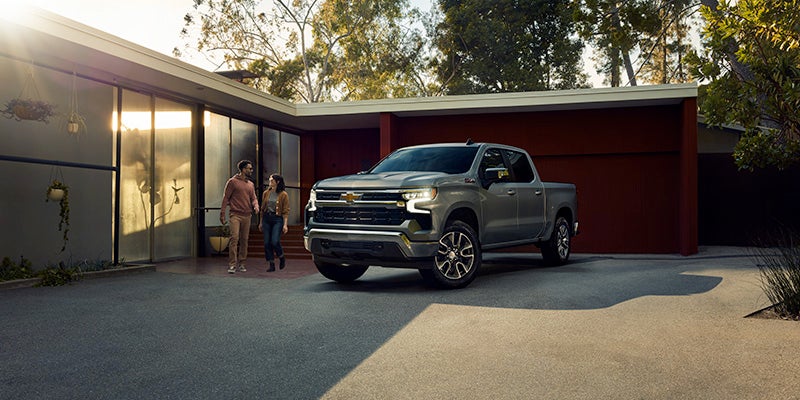
A properly maintained Silverado can provide years of service, but maintenance history is especially important when purchasing a used pickup.The Silverado 1500 is designed to balance work capability with everyday driving comfort. Its available engine configurations and manageable dimensions make it well suited for commuting, household projects, recreational towing, and general transportation.
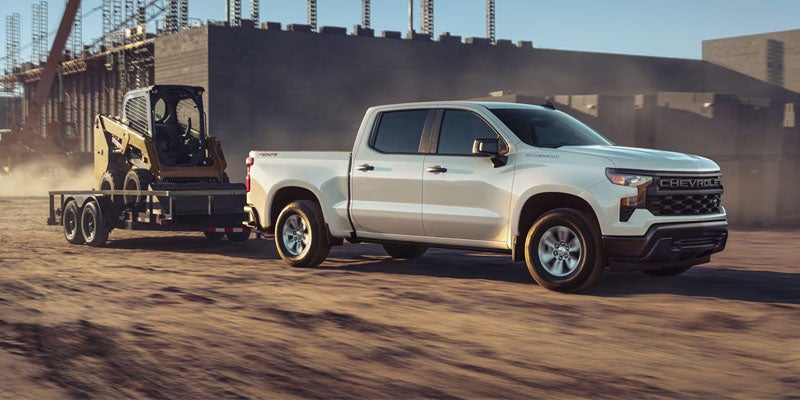
The Silverado 2500 HD features heavy-duty components engineered for more demanding workloads. Its stronger chassis, suspension, and available powertrains are designed for tasks such as hauling construction equipment and towing larger trailers.
However, heavy-duty construction does not automatically mean a used 2500 HD is in better condition than a 1500. A truck with extensive towing history, inconsistent maintenance, or significant wear may require additional attention regardless of its model. At VanDevere Chevrolet, we encourage shoppers to compare service records, vehicle history, mileage, and overall mechanical condition when evaluating pre-owned Silverado trucks.
Comparing Silverado 1500 and 2500 HD Repair Costs
Long-term repair and maintenance expenses are important considerations when choosing between these pickups. RepairPal estimates average annual repair and maintenance costs of approximately $714 for the Chevrolet Silverado 1500 and $936 for the Silverado 2500 HD. These are historical model-level averages rather than predictions for a particular truck. The Silverado 1500's lower estimated annual ownership expenses can make it a practical choice for drivers who primarily use their truck for commuting, light hauling, and occasional towing.The Silverado 2500 HD may require additional spending on components such as tires, brakes, and heavy-duty drivetrain maintenance. Diesel-equipped models can also involve specialized service requirements and potentially costly repairs. For either truck, repair expenses vary based on model year, engine, mileage, maintenance history, and how extensively the vehicle has been used.
Choosing Between a Used Silverado 1500 and 2500 HD
The Silverado 1500 is often the more economical option for drivers who need a versatile pickup for everyday transportation and moderate work requirements. Its generally lower purchase price and maintenance costs can help reduce overall ownership expenses.The Silverado 2500 HD is better suited to shoppers who need additional towing and hauling capability. Although initial purchase prices and maintenance expenses may be higher, its heavy-duty construction and resale characteristics can make it a worthwhile investment for drivers who regularly depend on that capability.
Before choosing either model, consider your typical driving conditions, trailer weight, annual mileage, and long-term ownership plans. A truck that closely matches your actual requirements may provide greater value than one with more capability than you need.